October 3, 2026
The Small Check I Never Skip Before a Shipment Moves
By Aaron Byrnes
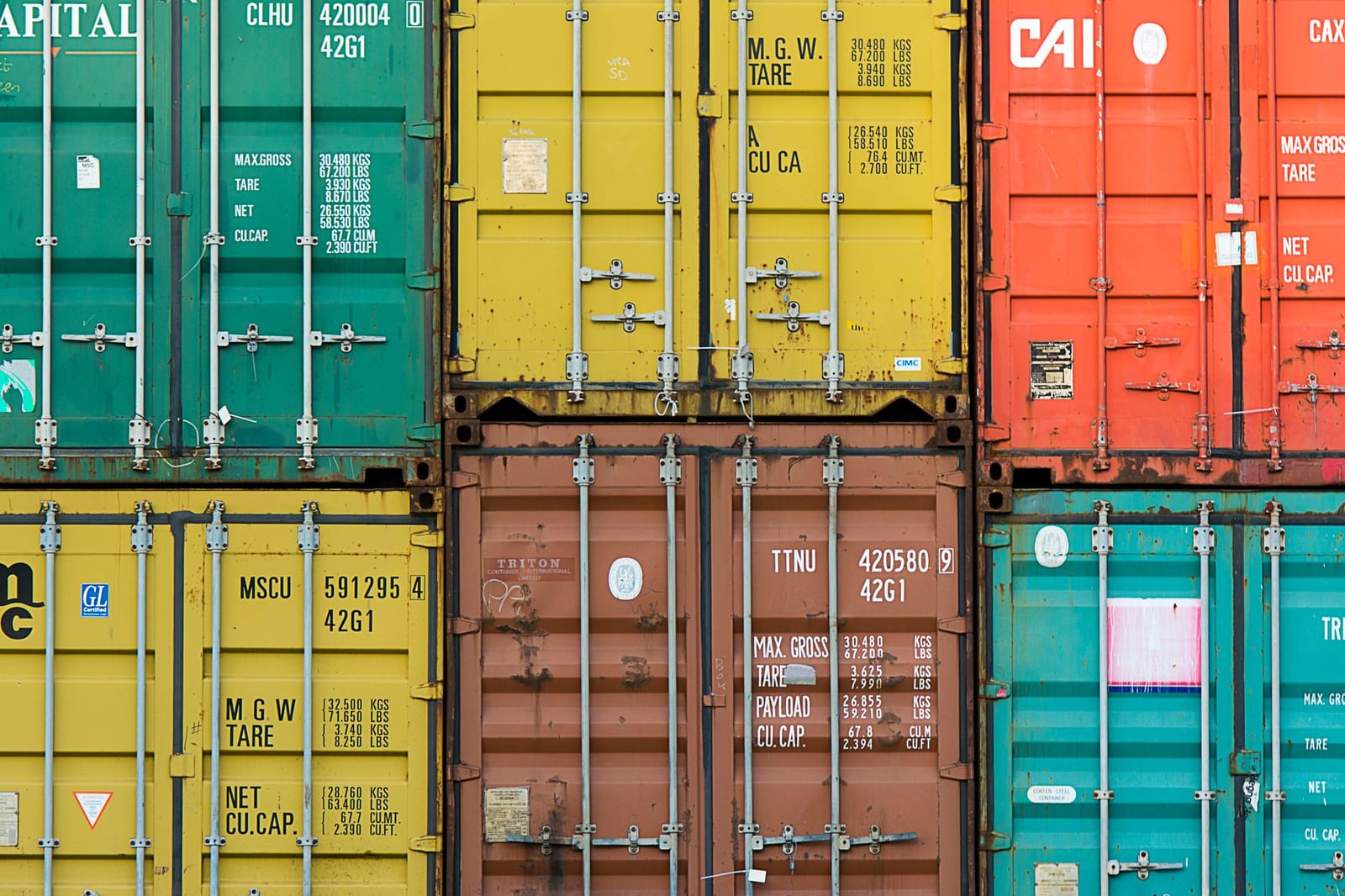
A Habit That Looks Like Overkill Until It Isn't
Every import deal has a moment right before the item leaves the seller's hands. The paperwork is signed. The crate is sealed. Everyone wants to shake hands and move on. That's the exact moment I slow down.
Before anything ships, I open the crate one more time. I count pieces myself. I check weight and measurements against what's written on the manifest. It takes five, maybe ten minutes. People have looked at me like I'm wasting their time doing it.
I'm not. That five minutes has saved me weeks.
Why the Paperwork Rarely Tells the Whole Story
A manifest is only as good as the person who filled it out, and that person is usually in a hurry. Dimensions get rounded. Weights get estimated instead of measured. A rug gets listed as one piece when it's actually been folded with a second smaller piece tucked inside for padding.
None of this is usually dishonest. It's just how paperwork gets made when ten other things are happening at once. But customs doesn't care about intent. If the numbers on the form don't match what's in the crate, the shipment stops moving, and it stops moving at the border, which is the most expensive place for anything to sit still.
What I Actually Look For
I'm not doing a forensic inspection. I'm checking three things:
- Does the piece count match the manifest
- Do the weight and dimensions match, roughly
- Is anything packed in a way that could shift or damage the item in transit
If those three things line up, I close the crate and move on. If they don't, I fix the paperwork before the truck leaves, not after it's three states away.
Where I Picked This Up
I came out of construction before I ever touched an import deal, and a job site runs on exactly this kind of check. You don't pour concrete and hope the forms held. You check them before the truck shows up, because fixing a mistake after the pour is a different job entirely, and a far more expensive one.
Import and export work the same way. The expensive mistakes are almost never the ones you catch in the moment. They're the ones that get discovered three weeks later, at a port, by someone who has no reason to care about your timeline.
The Five Minutes Pays for Itself
I think about this the same way I think about a hand at the pinochle table. The interesting part isn't the big decision everyone's watching. It's the small one nobody notices, made a step before anything is on the line. By the time the stakes are visible, most of the outcome is already decided.
A shipment that gets flagged at customs doesn't just cost time. It costs storage fees, it costs the trust of whoever is waiting on the other end, and it costs you the next deal with that buyer, because now they're wondering if your paperwork is ever right. None of that shows up on the invoice for the five minutes you didn't take.
I'd rather be the person holding up a crate for an extra look than the person explaining to a buyer why their item is sitting in a warehouse instead of their showroom. That explanation never lands well, no matter how good the item is.
A Small Thing, Not a Complicated One
This isn't a system. It isn't a process with steps and sign-offs. It's a habit, and habits work precisely because they don't ask you to think hard about whether to do them. You just do them, every time, on every shipment, whether it's a single antique piece or a full container.
The deals people remember are usually the big, complicated ones. The ones that actually make a business work are the small, boring checks that nobody tells stories about. That's fine with me. I'd rather have a reputation for things arriving the way they're supposed to than a good story about the time they didn't.